
TSA PreCheck Touchless ID: Convenience, Consent, and the Database We All Knew Existed
Sam's Credit Card Guides
Not sure which card to get next? We break down the best options for cash back, travel, and credit building so you can choose with confidence.
We may earn a small commission from links at no extra cost to you. Read more.
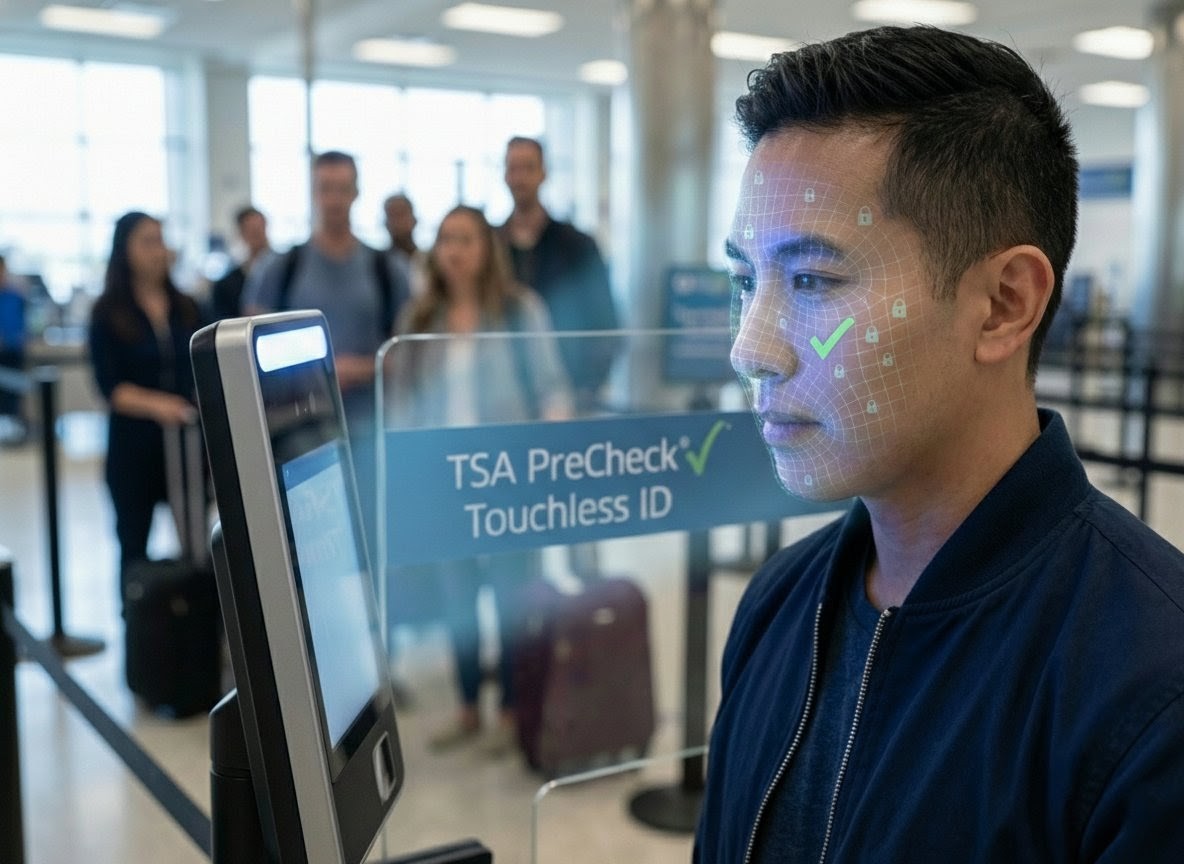
The TSA is rolling out a new “Touchless ID” system for PreCheck members, promising a faster, more secure experience where your face becomes your boarding pass.
The premise is simple: you opt-in via your airline app, and at the airport, a facial scan matches you against a gallery of pre-staged photos (primarily your passport) held by Customs and Border Protection (CBP).
While the promise of breezing through security without fumbling for a license is appealing, the implementation raises some interesting questions.
Why Now?
It feels like we are witnessing the activation of a database that has been under construction for years. The TSA and CBP have been capturing facial data for quite some time, ostensibly building a massive biometric library, and only now are they leveraging it for this specific “touchless” convenience. They likely already have a stockpile of photos of you; this program just creates a formalized way to use them.
The Hope: Speed and Utility
If this technology actually works, the benefits are tangible. It should, in theory, make the lines move faster. Furthermore, there is a major potential upside for travelers who leave their wallets at home: if your face is your ID, forgetting your physical license might no longer mean a missed flight.
The “Feature” is Just Your Own Data
The irony of this “new” system is that the database likely already exists. For years, agents have directed travelers to stand in front of cameras at checkpoints. While you technically always had the right to decline these photos, it was almost never explained, meaning most people just complied. The result? They likely already have your face matched to your documents.
The real change here isn’t that they are suddenly asking for permission to capture your image; it’s that they are finally offering a trade-off for the data they already took. They are incentivizing the use of facial recognition by removing the friction of showing a physical ID. You aren’t necessarily providing new consent for surveillance beyond getting a picture taken now (which they do anyway); you are simply opting in to use the biometric library they’ve already built to save yourself five seconds of fumbling for your wallet.